
BiDi Transceiver Pairing and Link-Down Troubleshooting
For the common simplex single-mode BiDi application, the link requires a complementary transceiver pair: the transmit wavelength at endpoint A must match the receive wavelength at endpoint B, and the reverse direction must match as well. Two modules with the same printed reach or form factor are not necessarily a pair. Verify the exact optical application, wavelength direction, data rate, fiber and host context before replacing hardware.
Read each module as a directional identity
Record the exact part number, form factor, data rate, reach class, connector and both Tx/Rx wavelengths. Labels such as "upstream," "downstream," "U" and "D" are supplier-specific shortcuts; the wavelength pair is the reliable engineering identity.
For example, a module transmitting at one wavelength and receiving at a second wavelength must face a module that transmits at the second and receives at the first. Do not infer the pair from label color, distance or inventory location.
Do not apply this simplex A/B-pair rule blindly to every product carrying the BiDi label. Some multimode BiDi applications use duplex fiber and different lane or wavelength architectures. Follow the exact transceiver specification and host documentation.
Confirm the optical application at both ends
Matching wavelength directions is necessary but not sufficient. Confirm that both modules support the same line rate and optical application, and that both host ports can operate in the intended mode.
Check:
- platform and line-card support;
- software or firmware requirements;
- port speed and lane mode;
- coding and module acceptance;
- fiber type and simplex connector path;
- required forward error correction where applicable.
A host that reads module information may still reject the coding or fail to configure the port correctly. The SFP detected but link-down guide covers this recognition boundary in more detail.
Trace the one-fiber path end to end
BiDi uses different wavelengths in opposite directions on one fiber. A patching error, wrong passive component, dirty connector or unsuitable WDM element can therefore affect one direction differently from the other.
Trace the exact strand through every patch panel, adapter, splice and passive device. Confirm that any splitter, filter or mux in the path passes both BiDi wavelengths and meets the loss budget. A route that was designed for a different wavelength plan may pass one direction poorly or block it.
Inspect and clean both end faces before repeated reseating. Keep the laser-safety procedure active and never look into an open connector.
Build direction-specific optical evidence
Save local Tx, local Rx, remote Tx and remote Rx readings, along with alarms and interface counters. Compare them with the exact module thresholds rather than a generic acceptable range.
- Endpoint A Tx normal and endpoint B Rx low: investigate A-to-B wavelength routing and loss.
- Endpoint B Tx normal and endpoint A Rx low: investigate B-to-A routing and loss.
- Both receive readings low: recheck pairing, shared path loss and contamination.
- Power plausible but link down: verify port mode, coding, FEC and remote configuration.
Digital diagnostics can support the investigation, but calibrated measurements may be required when module telemetry is unavailable or inconsistent.
Use controlled substitution without losing the pair
When substituting a known-good module, replace only one endpoint at a time and preserve the complementary wavelength relationship. Record the original and replacement identities.
Replacing both ends simultaneously can restore the link while hiding whether the fault was a module, coding profile, connector or wavelength mismatch. It can also introduce a new matched pair that says nothing about the original route.
BiDi link-down checklist
- Capture both module part numbers and Tx/Rx wavelength directions.
- Prove that the modules are complementary.
- Confirm rate, optical application, host support and port mode.
- Trace the single fiber and every passive component.
- Inspect, clean and re-inspect the connectors.
- Record power, alarms and counters in both directions.
- Change one verified variable at a time.
- Retest traffic and document the final configuration.
Frequently asked questions
Can two identical simplex BiDi modules link to each other?
Not when both modules transmit and receive on the same wavelength directions. A simplex pair must have complementary Tx/Rx wavelengths; verify the exact specifications rather than relying on identical labels.
Does the same reach label prove a valid pair?
No. Reach does not establish wavelength direction, rate, coding or host support.
Why can a BiDi link fail in only one direction?
The two directions use different wavelengths. A filter, bend, connector defect, transmitter issue or receive-path problem can affect them differently.
Can duplex optics be connected through a BiDi path?
Not merely by using an adapter. Duplex and BiDi applications have different optical architectures and must be validated end to end.
Should I swap both modules during troubleshooting?
No. Change one endpoint at a time while keeping a verified complementary pair, or the result will not isolate the fault.
What information is needed to order a replacement pair?
Provide both host models, software, rate, reach, fiber route, connector, current part numbers and the required Tx/Rx wavelength direction at each endpoint.
Verify the pair before placing the order
Share endpoint models, software, port mode, existing module labels, Tx/Rx wavelengths, route loss, passive components and quantities. Axonode can help map the complementary pair and coordinate coding, traceability and validation requirements.
Contact Axonode for a BiDi pairing review or review the optical transceiver portfolio.
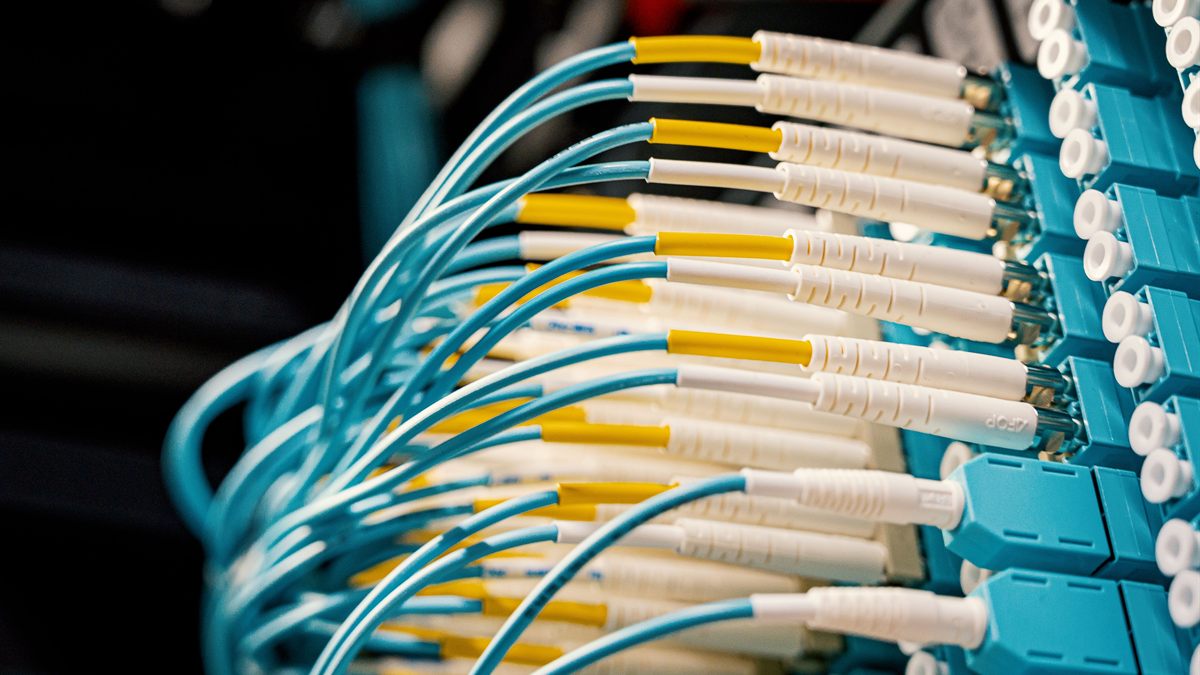 BiDi Transceiver Pairing and Link-Down Troubleshooting
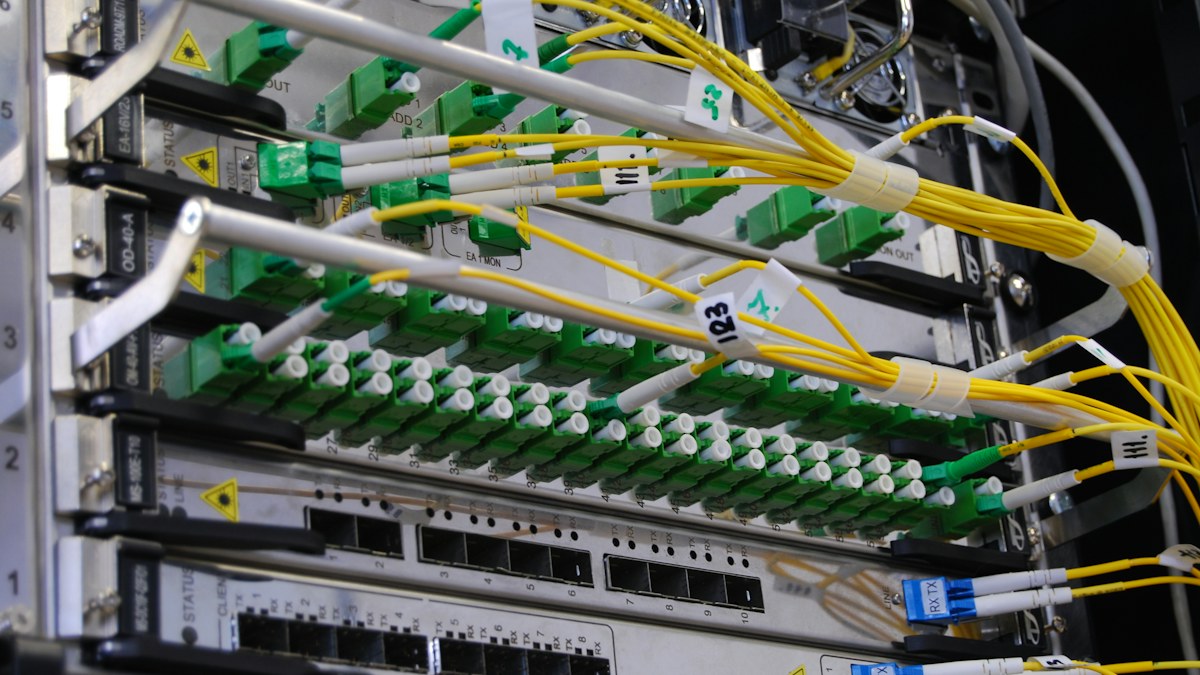 Optical Link Budget Checklist Before Choosing Long-Reach Optics
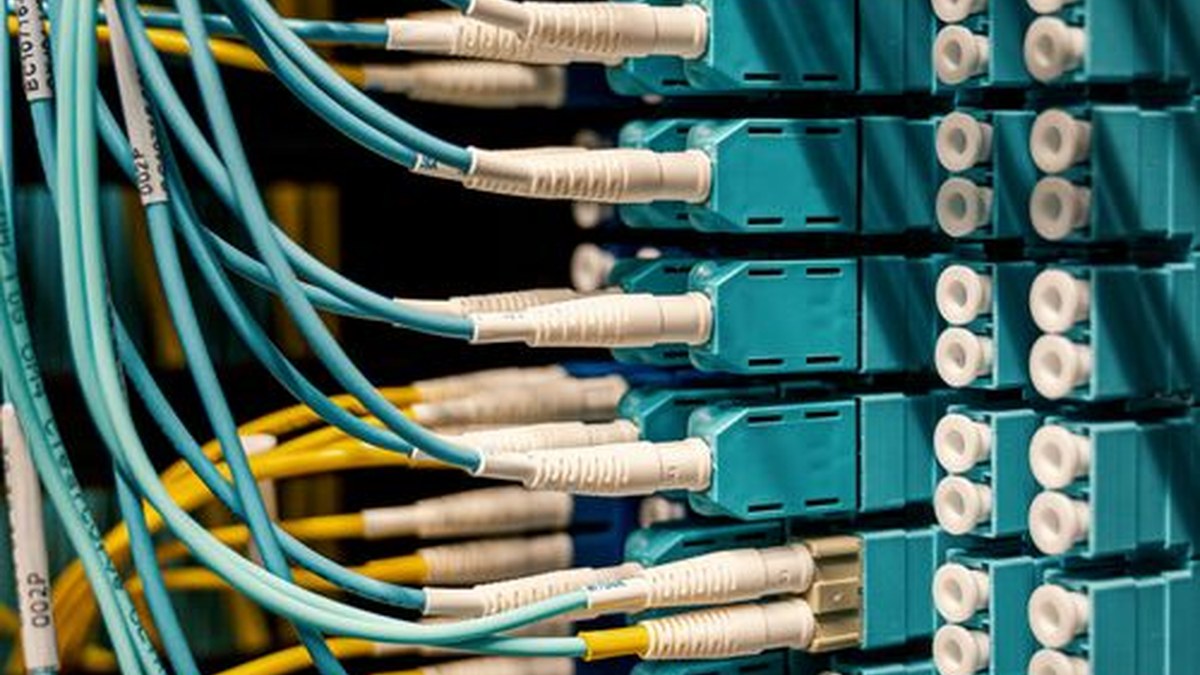 Optical Transceiver Sample Qualification Before a Volume Order
 WDM Channel Inventory and Spare Optics Planning